
What to Expect During a Professional Roof Inspection
A good inspection is more than a glance from the driveway. Here is what actually happens.
By the Apex Roofing team · Central Texas
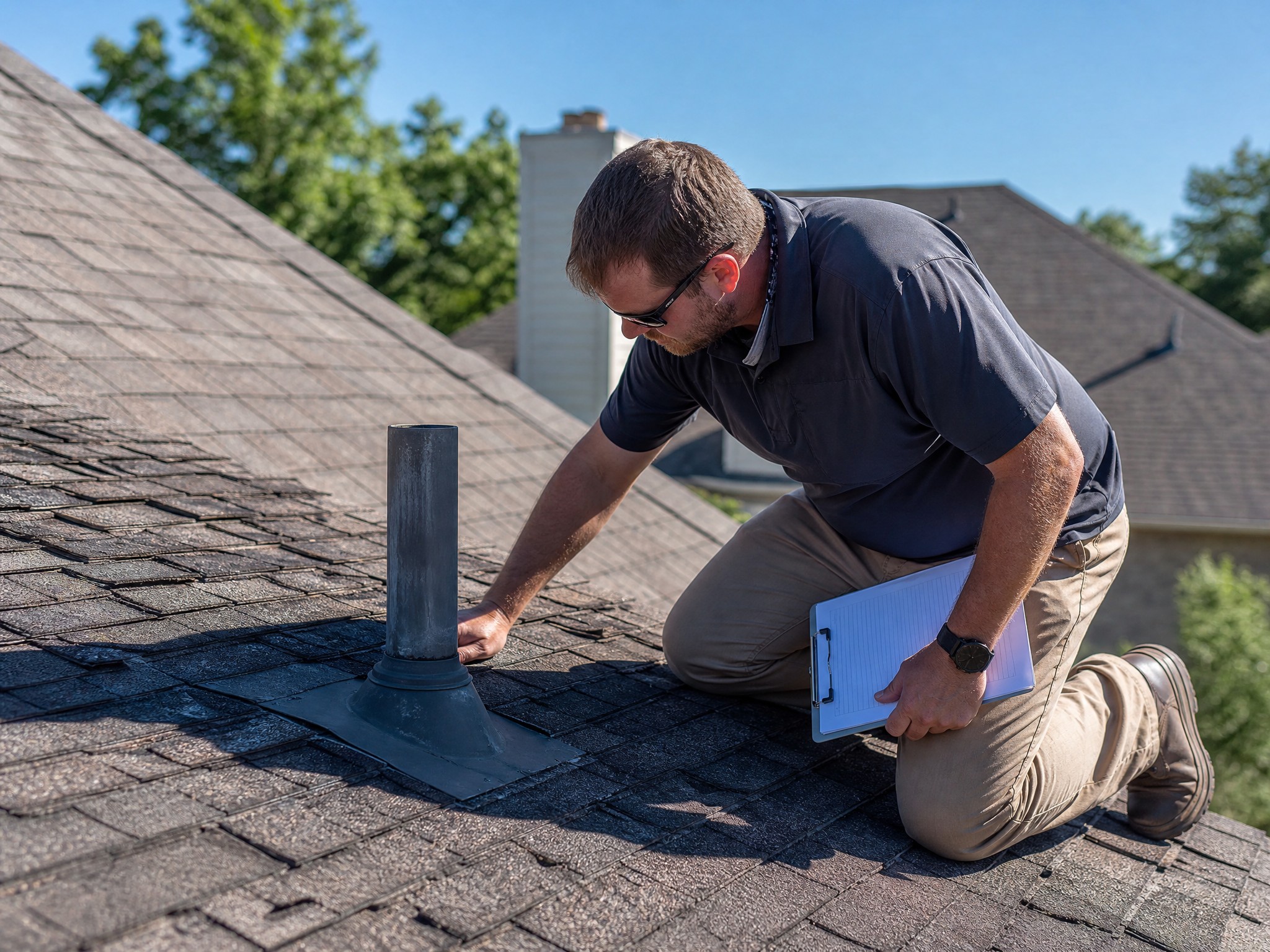
Homeowners often picture a roof inspection as a quick look from the ground, a thumbs up, and a handshake. A real professional inspection is a lot more thorough than that, and knowing what to expect helps you tell a serious roofer from someone just trying to sell you a roof. Whether you are buying a home in Belton, dealing with a possible leak in Temple, or checking for hail damage in Killeen, here is what a proper inspection looks like and what you should get out of it.
The exterior walk
A good inspector starts outside, on the roof itself when it is safe to access. They examine the field of shingles for curling, cracking, blistering, and granule loss. They check the high-wear areas closely: the valleys where water concentrates, the flashing around chimneys and vents, the pipe boots that crack with age, and the ridge. They look at the condition of the shingle granules, since bare spots signal a roof nearing the end of its life. On a metal roof they check seams, fasteners, and any sign of corrosion.
The drainage and edge check
The inspection does not stop at the shingles. The inspector looks at the gutters and downspouts, the fascia and soffit, and the drip edge, because problems at the roof edge are some of the most common and most overlooked. Granules collecting in the gutters tell their own story about how worn the shingles are. Sagging gutters or rotted fascia point to drainage issues that have been working against the roof for a while.
The attic inspection
This is the part that separates a quick look from a real inspection. Inside the attic, the inspector checks for daylight coming through the decking, water stains on the underside of the roof, sagging or soft decking, and signs of poor ventilation such as excessive heat or moisture. Many leaks reveal themselves in the attic long before they reach the ceiling below. A roofer who never goes into the attic is only seeing half the picture.
What the inspector is looking for
- Storm and hail damage, including bruised shingles and dented metal.
- Aging signs such as curling, cracking, and bare granule spots.
- Failed flashing, cracked pipe boots, and worn sealant at penetrations.
- Ventilation problems and attic moisture.
- Active or past leaks and any rotted decking.
How long it takes and what you receive
A thorough residential inspection usually takes anywhere from thirty minutes to an hour, depending on roof size and complexity. When it is done, you should receive a clear report. That means photos of any problem areas, a plain-language explanation of the roof’s condition, an estimate of remaining life, and a recommendation. A good inspector tells you honestly whether you need nothing, a minor repair, or a full replacement, and never invents problems to sell work.
Drones, photos, and modern tools
Inspection methods have improved, and a quality roofer uses them to give you a clearer picture. On a steep or fragile roof where walking it would be unsafe or could cause damage, a drone captures detailed overhead images of every slope, valley, and penetration without anyone setting foot on the shingles. Close-up photos of bruised shingles, cracked boots, and worn flashing give you proof of what the inspector found rather than asking you to take their word for it. Some inspectors also use moisture meters in the attic to find damp decking that is not yet visibly stained. The point of all these tools is the same: an honest, documented record of the roof’s real condition that you can keep, share with an insurance adjuster, or compare against a future inspection. Ask whether photos come with your report, because a roofer who documents the work is one who stands behind it.
When to schedule one
Get an inspection after any significant hailstorm, before buying or selling a home, when you spot any of the warning signs of a failing roof, and as a routine check every couple of years even when nothing seems wrong. Catching a small problem early is the cheapest roof work you will ever do. Our team across Temple and Central Texas provides a free, no-pressure inspection with full documentation. Book yours through our contact page and you will know exactly where your roof stands.
Related articles
Ready for a real inspection?
Our free 21-point inspection comes with photos and a clear written summary.